Ceramic Products
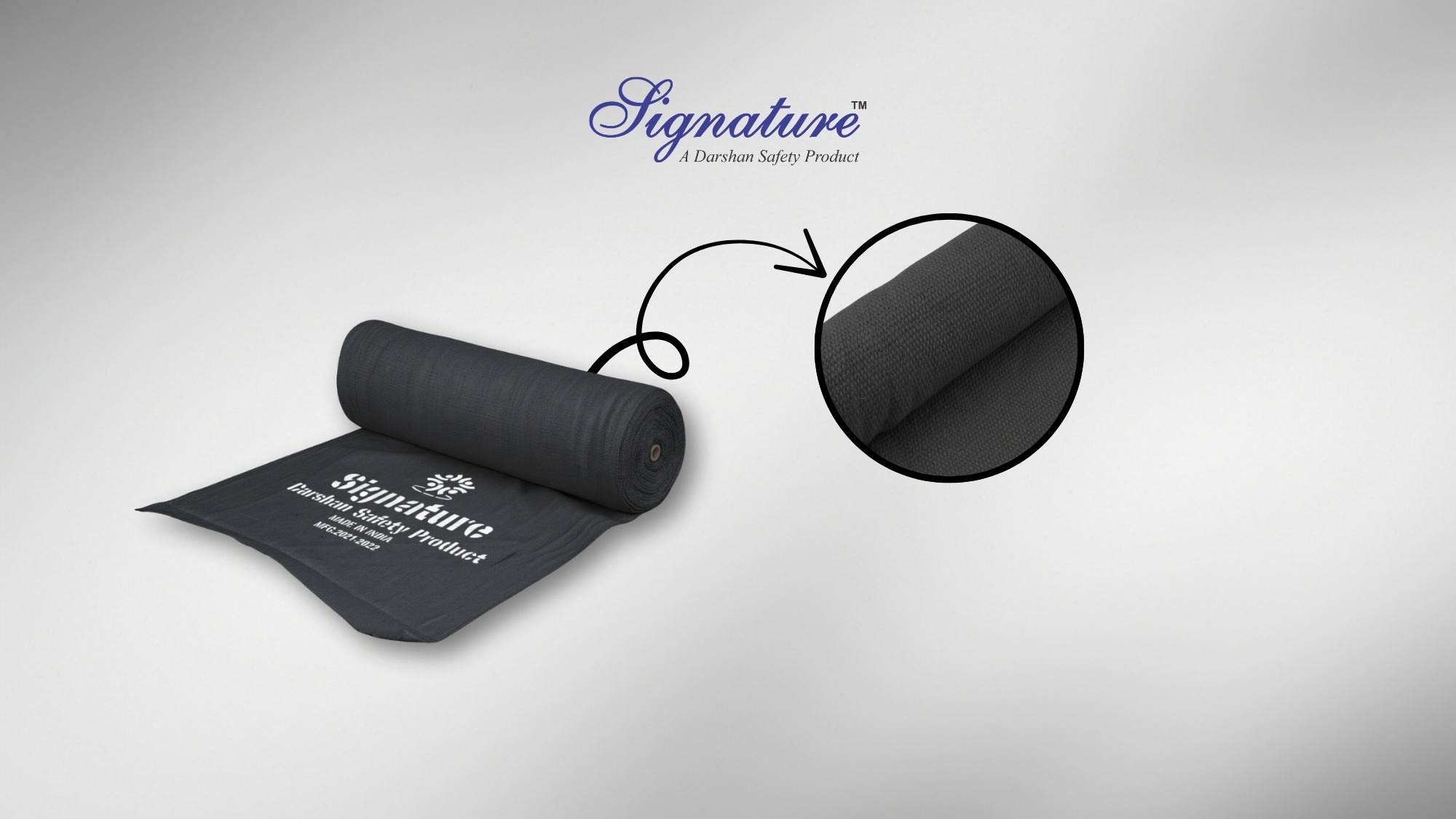
Signature Graphite Coated Ceramic Fabric
Both-side graphite · 3.0 mm, 1000 GSM · 1260 °C to 1760 °C
₹750.00/ SQM
Signature graphite coated ceramic fabric · Visakhapatnam
A pad that crews drag across a caster floor and flip between heats is a different buy from a wrap that is tied on and left. This page is for steel-plant and heavy-industry maintenance in Visakhapatnam deciding when both-side graphite DSZGCF3.0 is the cloth, and when plain ceramic fiber fabric belongs on the same quotation instead. We make it at our Ahmedabad factory and dispatch it to your plant.
Ceramic Products
Both-side graphite · 3.0 mm, 1000 GSM · 1260 °C to 1760 °C
₹750.00/ SQM
Plain white Signature Ceramic Fiber Fabric is the cloth for a wrap that stays in place, for 1.5 mm to 6.0 mm, and for the non-metallic build around induction heating. DSZGCF3.0 does not cover those cases. Thickness and metallic versus non-metallic for this city are on the Visakhapatnam ceramic fiber fabric page.
Visakhapatnam ceramic fiber fabric
The coating does not raise the listed temperature. It seals both faces so the cloth can be handled, rubbed and fitted either way round, and it sheds fewer loose fibres than raw ceramic cloth. Match the row to the job, then open that product to pick the model and enter size. Thickness and the non-metallic build for this city are on the Visakhapatnam ceramic fiber fabric page.
| Job on site | Start with | Build | Working temperature | Order |
|---|---|---|---|---|
| Heat pad laid on steel, dragged into place, and picked up between heats | DSZGCF3.0 | 3.0 mm · 1000 GSM · black · both-side graphite | 1260 °C to 1760 °C | |
| Cover or shield that can land either face against steelwork | DSZGCF3.0 | 3.0 mm · 1000 GSM · graphite on both faces | 1260 °C to 1760 °C | |
| Fixed barrier that stays hung and needs more than 3.0 mm of cloth | DSZCF4.0 / DSZCF5.0 / DSZCF6.0 | 4.0–6.0 mm · 1800–3500 GSM · white · no graphite face | 1260 °C to 1760 °C | |
| Induction coil or live electrical wrap — steel in the weave is a problem | DSZCF3.0NM | 3.0 mm · 1000 GSM · non-metallic · no graphite face | 1260 °C to 1760 °C | |
| Static wrap that needs more mass at 3.0 mm, without a coating | DSZCF3.0P | 3.0 mm · 1500 GSM · white · SS metallic reinforced | 1260 °C to 1760 °C | |
| Cover that stays inside the fiberglass temperature band | DSZGF graphite fiberglass | Fiberglass base · both-side graphite · 0.2–3.0 mm | 550 °C to 900 °C, by model |
The same cloth is not the default everywhere from the steel works to Parawada. Use it where the fabric is handled. Leave plain ceramic cloth where the fabric is static or the thickness has to change.
Shore-based integrated steel works — south Visakhapatnam
Start with: DSZGCF3.0
Coal-fired station, 4 × 500 MW — Parawada mandal, Anakapalli
Start with: DSZGCF3.0
APIIC industrial park — Mindi and Chinagantyada, Gajuwaka
Start with: DSZGCF3.0
APIIC industrial development area — 261.75 acres, operational, Anakapalli
Start with: DSZGCF3.0
APIIC multi-product special economic zone — 1,949.02 acres, operational, Anakapalli
Start with: DSZGCF3.0
APIIC pharmaceutical zone — 1,531.86 acres, operational, Parawada
Start with: DSZGCF3.0
Confirm the figures on the variant you select on the product page. The listed range is a working temperature for that build. Open guide before you write the number into a specification.
A mixed shutdown — coated pads plus plain cloth — quotes cleanly when each build is its own line. Size entry is covered in the custom-size guide; several lines on one request are covered in the bulk quotation guide.
Darshan Safety Zone manufactures Signature Graphite Coated Ceramic Fabric at our Ahmedabad factory, cuts it to the length and width on your order, and dispatches to plant addresses in Visakhapatnam and Anakapalli. We do not hold stock or run a branch in Andhra Pradesh. We confirm dispatch for your quantity on the quotation.
A pad covers a face. A door seal and a joint wrap are separate Signature products in the same ceramic range, ordered on their own lines.
Check the base material and the temperature listing before you lock DSZGCF3.0 into a steel-zone specification.
Where glass cloth, including graphite-coated fiberglass, stops and ceramic fibre takes over.
Open guideWhat a listed working-temperature range does and does not tell you before you specify DSZGCF3.0.
Open guideHeat protection across melting, casting and rolling — the work these pads sit beside.
Open industry journeyDescribe the heat source and whether the cloth is handled or left in place if the row in the table is not obvious.
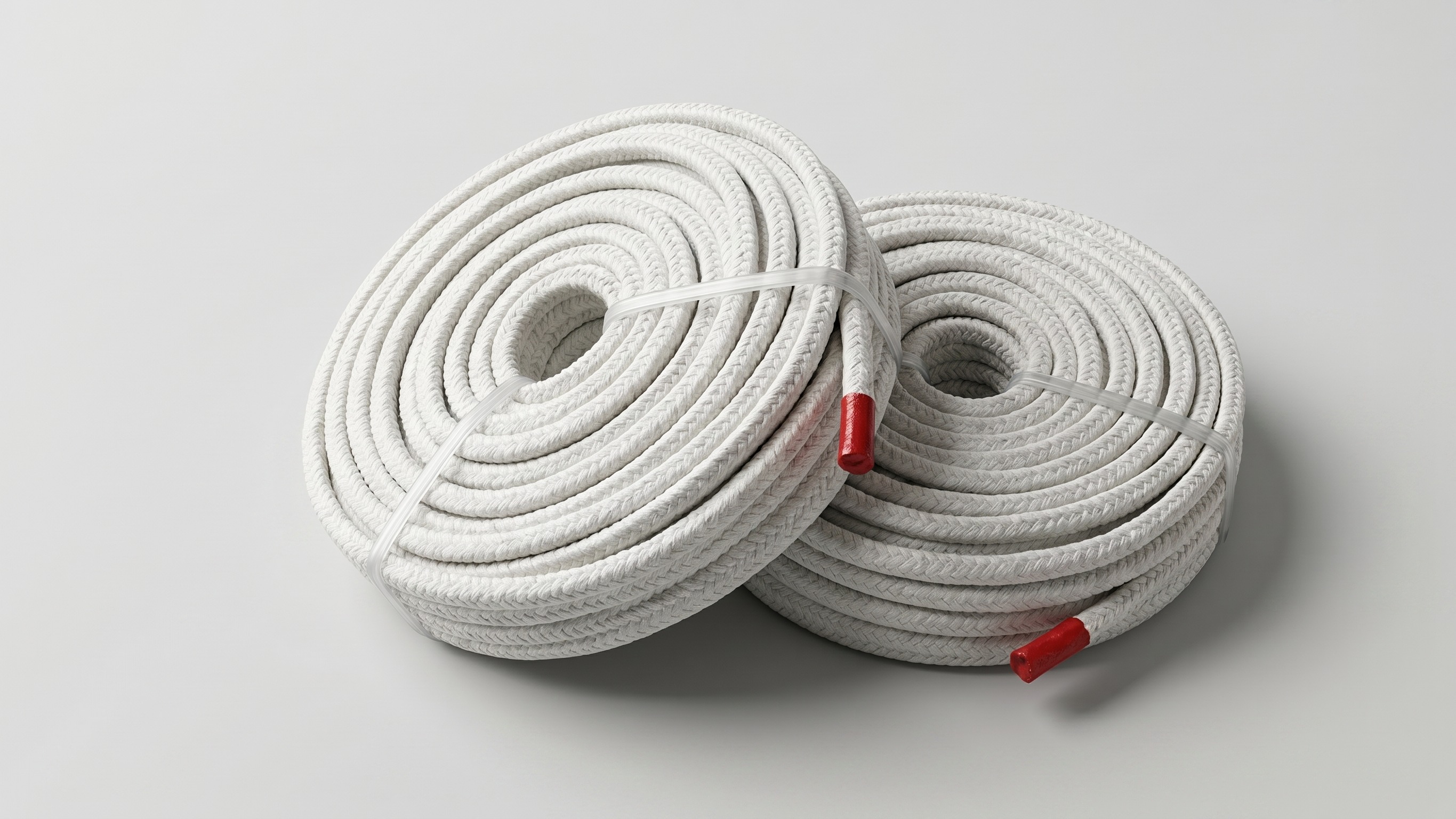
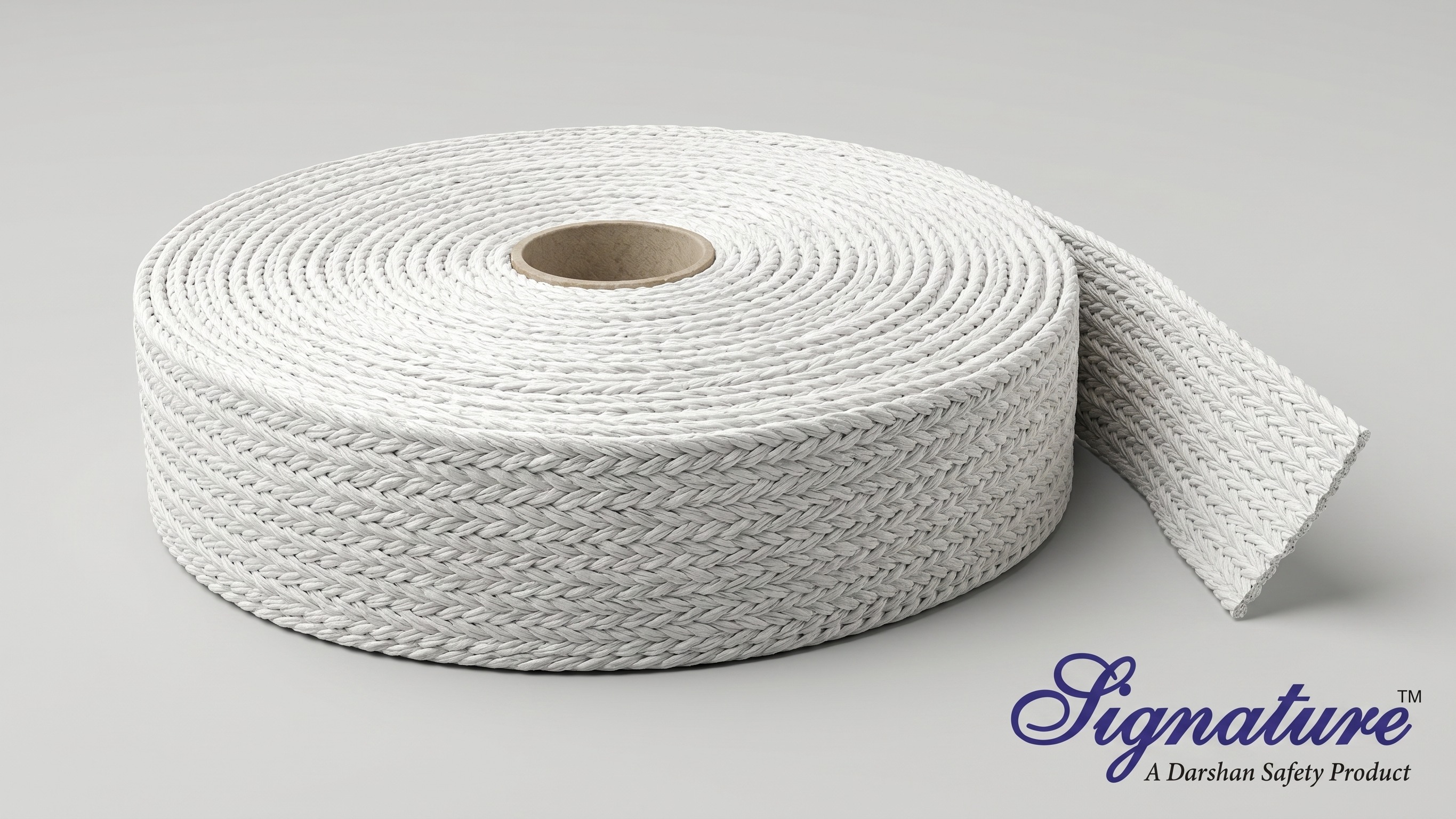
Open contact formComparing rope, tape and both ceramic cloths? Browse ceramic products.
Answers for Visakhapatnam steel and heavy-industry buyers deciding between graphite-coated DSZGCF3.0 and plain ceramic fiber fabric.
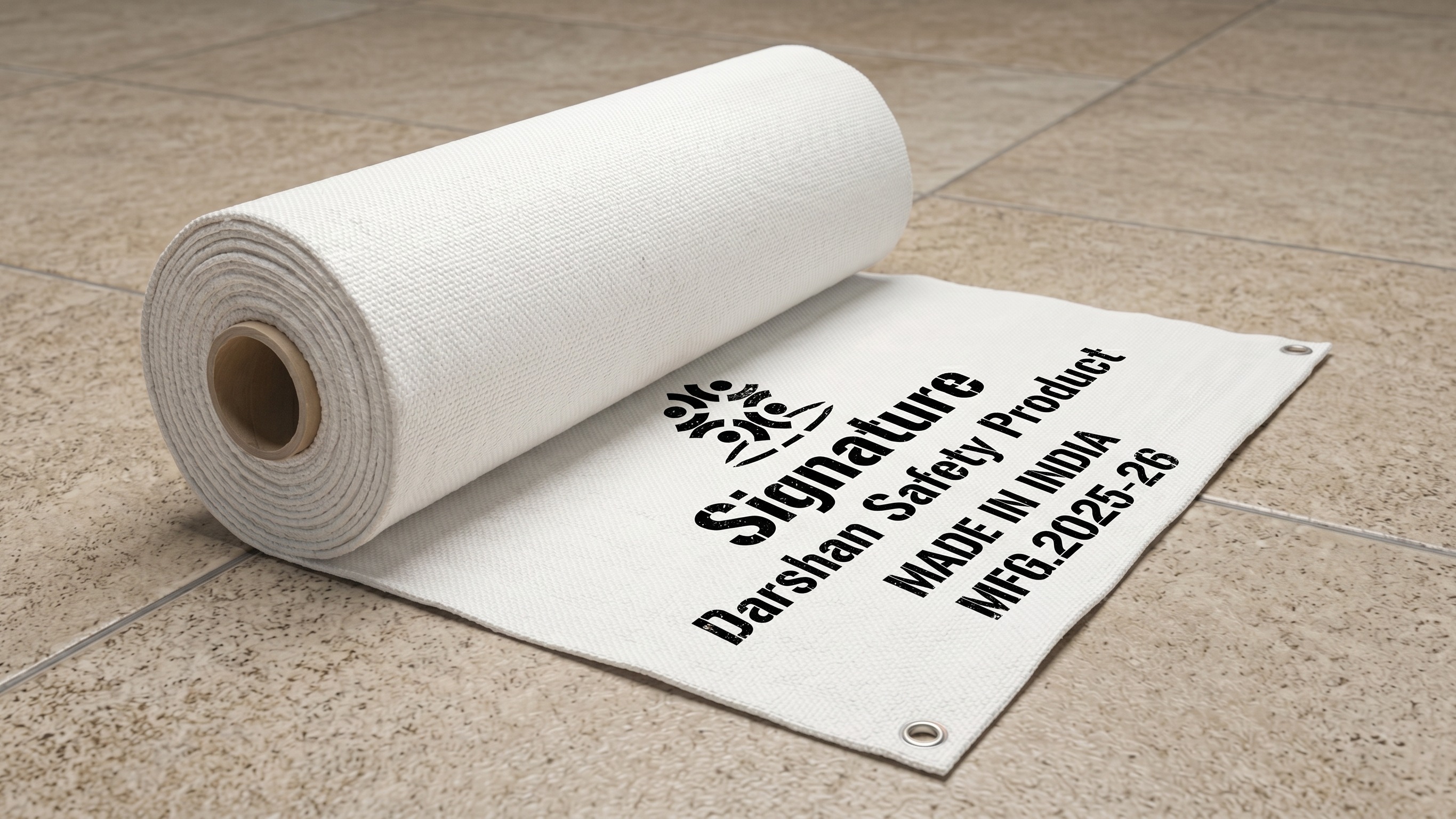
Choose Signature Graphite Coated Ceramic Fabric, model DSZGCF3.0, when the piece is a heat pad, barrier or cover that crews handle, rub against steel, or may fit either way round. It is black, 3.0 mm, 1000 GSM, graphite-coated on both faces, and listed at 1260 °C to 1760 °C. Choose plain white Signature Ceramic Fiber Fabric when the cloth stays in place, when you need a thickness other than 3.0 mm, or when the weave must be non-metallic.
Yes, for that kind of pad. Graphite on both faces seals the weave from either direction, so it does not matter which face lands on the steel, and both faces resist rubbing and handling wear. A one-face coating would force the crew to track orientation. DSZGCF3.0 is the both-side build. Measure the pad and order that length and width in metres.
No. DSZGCF3.0 and the plain 3.0 mm DSZCF3.0 build are both listed at 1260 °C to 1760 °C. The coating changes the face — a tougher, smoother surface that sheds fewer loose fibres — not the listed temperature band. Read the range as a working-temperature listing, then confirm the figures on the variant you select. Our guide on reading temperature ratings explains what that listing does and does not promise.
No. Graphite-coated ceramic fabric is a single build: DSZGCF3.0 at 3.0 mm and 1000 GSM. A fixed barrier that needs more thickness is plain ceramic fiber fabric — DSZCF4.0, DSZCF5.0 or DSZCF6.0, white and uncoated, listed at 1260 °C to 1760 °C. Put that model on its own quotation line. Thickness choice for Visakhapatnam heat zones is on the ceramic fiber fabric page for this city.
Not when steel in the weave is a problem. DSZGCF3.0 is a graphite-coated ceramic fabric; it is not the non-metallic cloth. Induction coils and live electrical work call for plain DSZCF3.0NM — 3.0 mm, 1000 GSM, non-metallic ceramic cloth, listed at 1260 °C to 1760 °C, with no graphite face. Use DSZGCF3.0 for pads and covers that are handled and rubbed, not for the induction wrap.
Use DSZGCF3.0 when the pad is cut and fitted on site, rubbed against flanges, and refitted, and you want a sealed face that sheds fewer loose fibres than raw ceramic cloth. Use plain DSZCF3.0 when the wrap is tied on and left, or DSZCF3.0P (3.0 mm, 1500 GSM) when you want more mass at the same thickness without a coating. Say which of those the outage actually is, and we will quote that line.
Enter length and width in metres on the DSZGCF3.0 product page. The fabric is cut to that size and priced by the square metre. The 1 × 30 m figure in the specification is the reference roll format, not a minimum and not the only size you can buy. One quotation line per size. If the same shutdown also needs plain cloth, rope or tape, keep those on separate lines.
Look over both graphite faces for cracks, delamination or wear-through before you install or redeploy the pad. A face that looks intact but is cracked along a fold gives less protection and sheds more fibre than it appears to. Retire cloth that is worn through. Cut and handle ceramic fabric with gloves, under your site procedure for ceramic fibre materials.
Flat or rolled, somewhere dry. Avoid pressing a sharp crease into the cloth — a hard fold can crack the graphite face, and that is where wear starts on coated ceramic fabric. We do not hold stock in Visakhapatnam, so store what you have ordered rather than counting on a local pickup.
No. The coating word is the same and the base material is not. Signature Graphite FG Cloth is fiberglass with both-side graphite coating, in DSZGF models from 0.2 mm to 3.0 mm, listed from 550 °C to 900 °C depending on the model. DSZGCF3.0 is ceramic fibre with both-side graphite coating, listed at 1260 °C to 1760 °C. Pick by the temperature the job runs at. A cover that never leaves the fiberglass band does not need the ceramic build.
Send whether the cloth is handled or left in place, the sizes, and the plant address. We quote DSZGCF3.0 from our Ahmedabad factory and confirm dispatch.